

CEST
17:10
TODAY’S WEATHER
46 students of eleven nationalities in fact-finding visit - 878/2026
November 10, 2026
• The students visited the Nature Reserve and the Second World War Tunnels
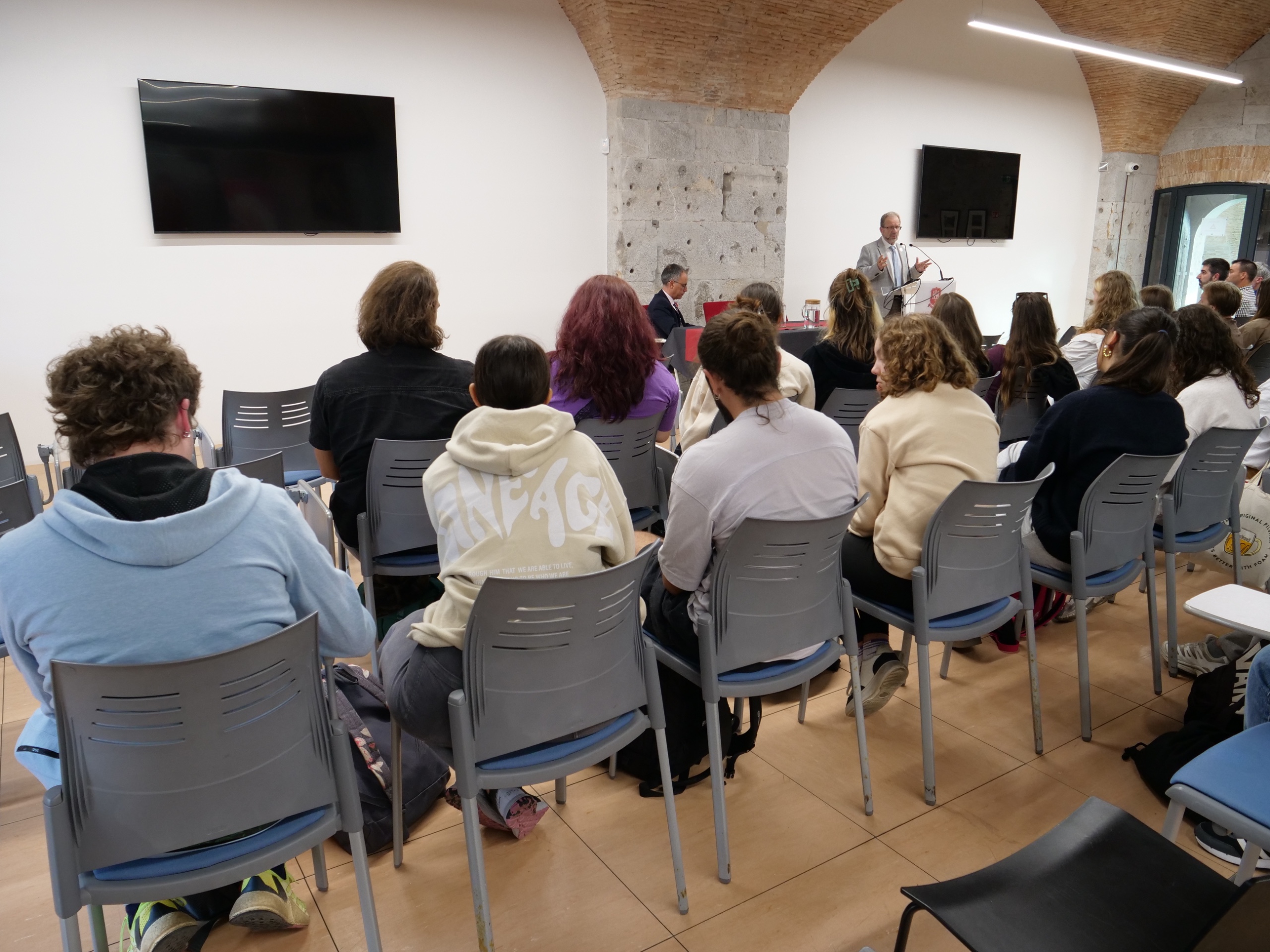
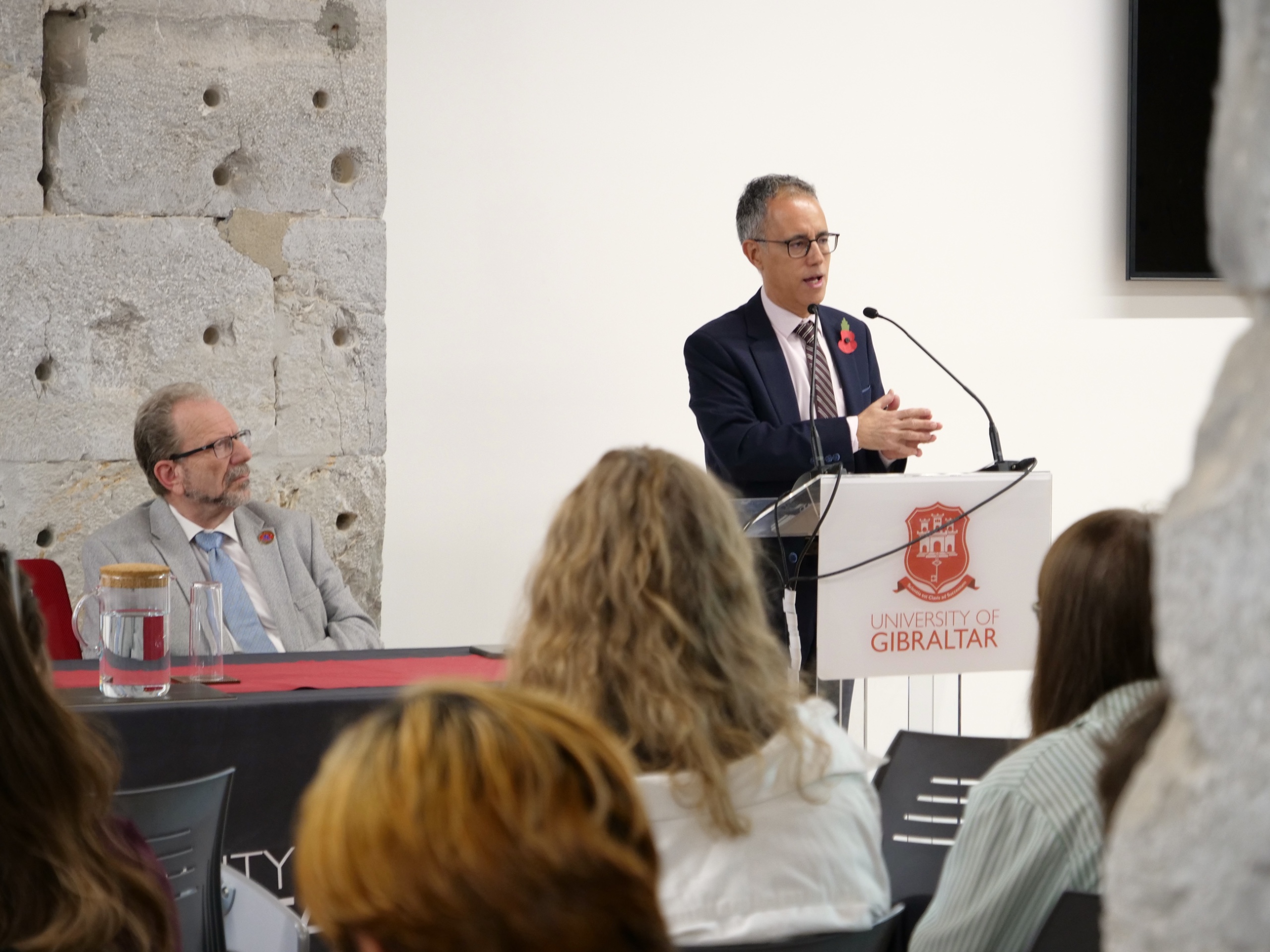
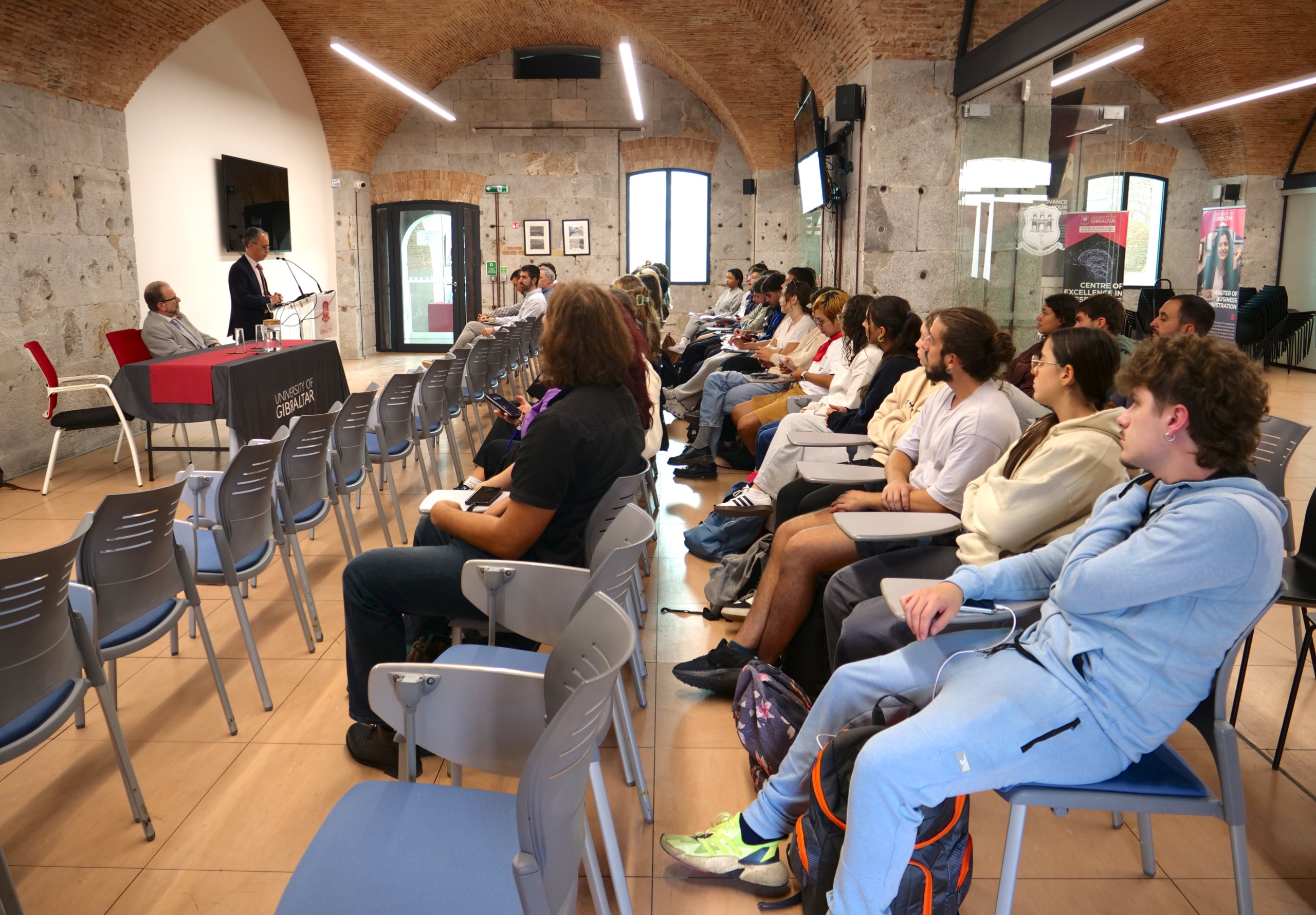
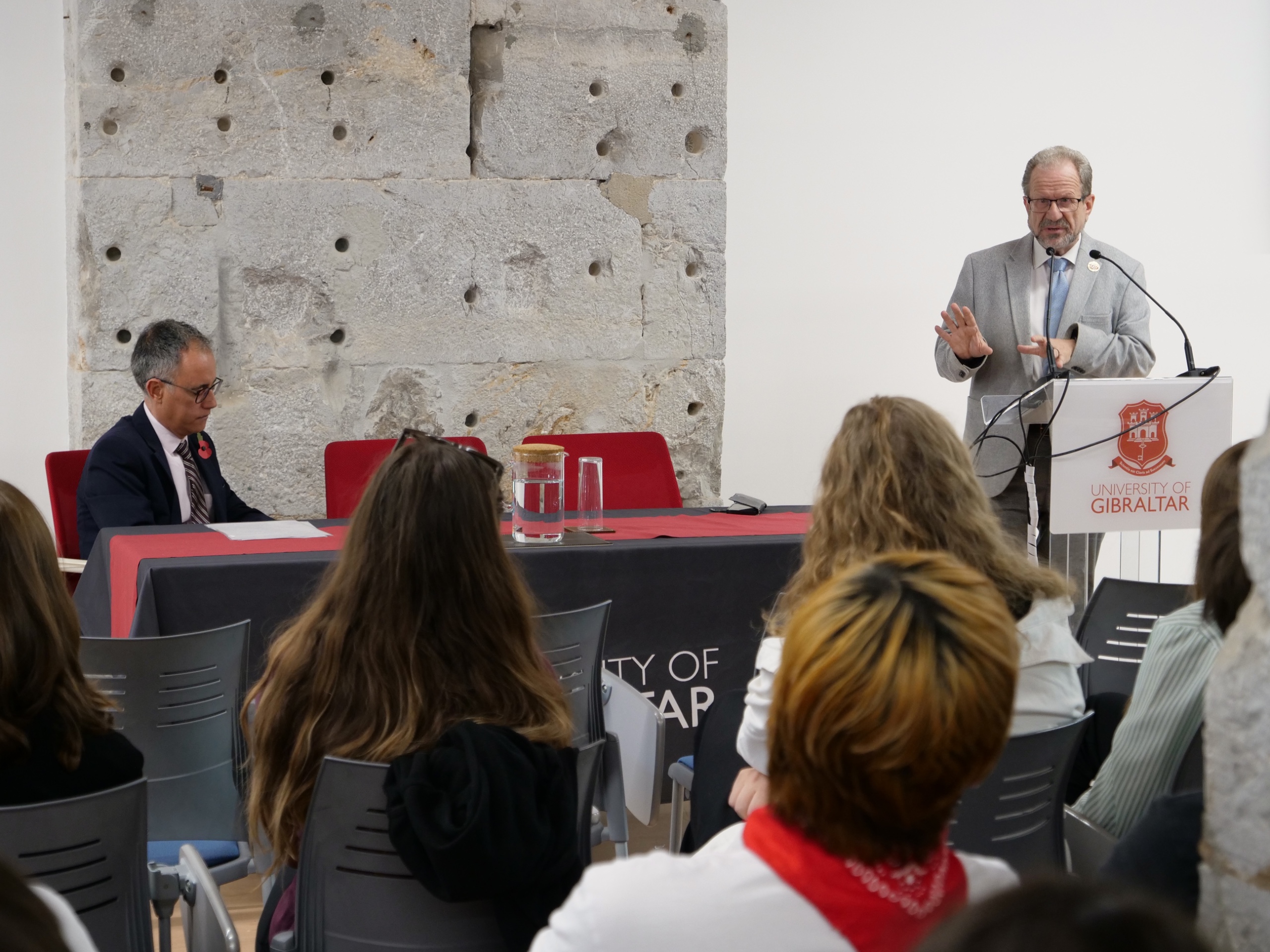
• They attended a joint lecture by DCM Dr Joseph Garcia and Professor John Cortes at the University
• The group took an interest in Llanito identity, environmental programmes and youth political participation.
A group of students from the University of Granada (UGR) visited Gibraltar on 6th November, as part of an academic experience that consolidates itself year after year. The group, comprising students of eleven nationalities (Spain, the United Kingdom, France, Italy, Germany, Austria, Bosnia and Herzegovina, Romania, Lithuania, Russia and Argentina), were enrolled on degree courses in Geography and Land Management, Environmental Sciences, and a Masters in European Studies. They were accompanied by lecturers José Luis Serrano Montes, Juan Garrido Clavero and Francisco Javier Toro Sánchez.
Nature Reserve
The day began with a journey on Calypso Tours coaches to the entrance of the Nature Reserve at Jew’s Gate. From there, the students walked to the iconic Saint Michael’s Cave. Inside, Professor Garrido Clavero offered a detailed explanation of the dating of the geological structures formed by water filtering through the limestone of the Rock.
Subsequently, environmental officer Chris Durante, Wildlife Warden of the Raptor Unit, gave a specialist talk on the local wildlife. During his talk, he highlighted that Gibraltar is home to one of the world’s highest densities of peregrine falcons and explained the extensive monitoring work carried out on griffon vultures, which arrive exhausted at the Rock after crossing the Sahara and the Strait.
Mr Durante gave an explanation about the Barbary macaques, their feeding habits and the measures taken to protect them in a context of increasing tourist numbers. He stressed the wild nature of these animals and the need for visitors to behave appropriately to ensure their safety and well-being, in particular, the prohibition on touching or feeding them. Currently, the population ranges between 235 and 240 individuals, organised in troops with defined territories.
After crossing the Windsor Bridge, the group continued to the World War II Tunnels. The students toured the facilities, which were recently refurbished and opened in February 2025. In the space housing the historic Spitfire, the group received an introductory talk on Gibraltar’s role during the conflict, the evacuation of the civilian population and the colossal engineering feat involved in the construction of the tunnels.
Political history of Gibraltar
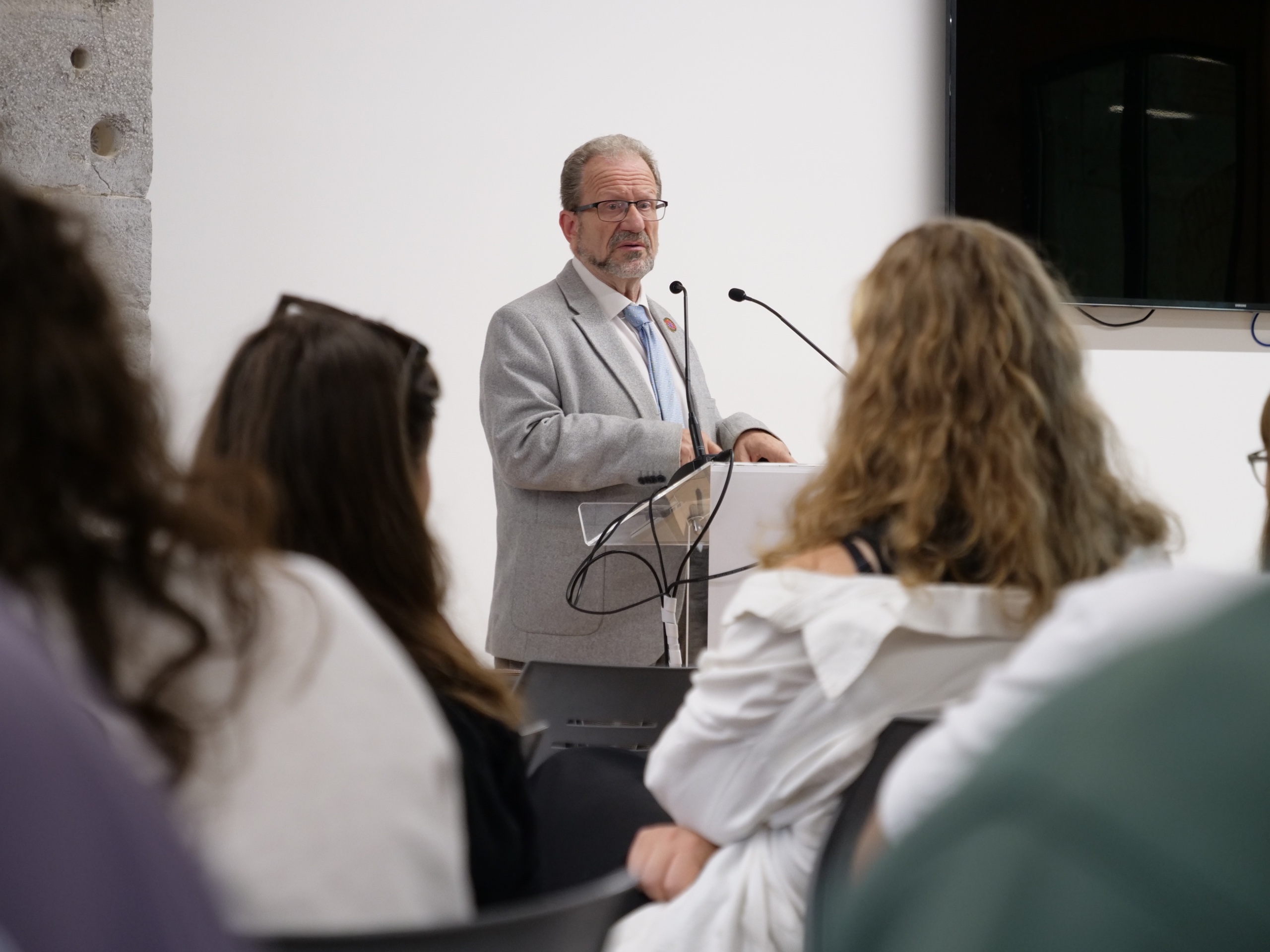
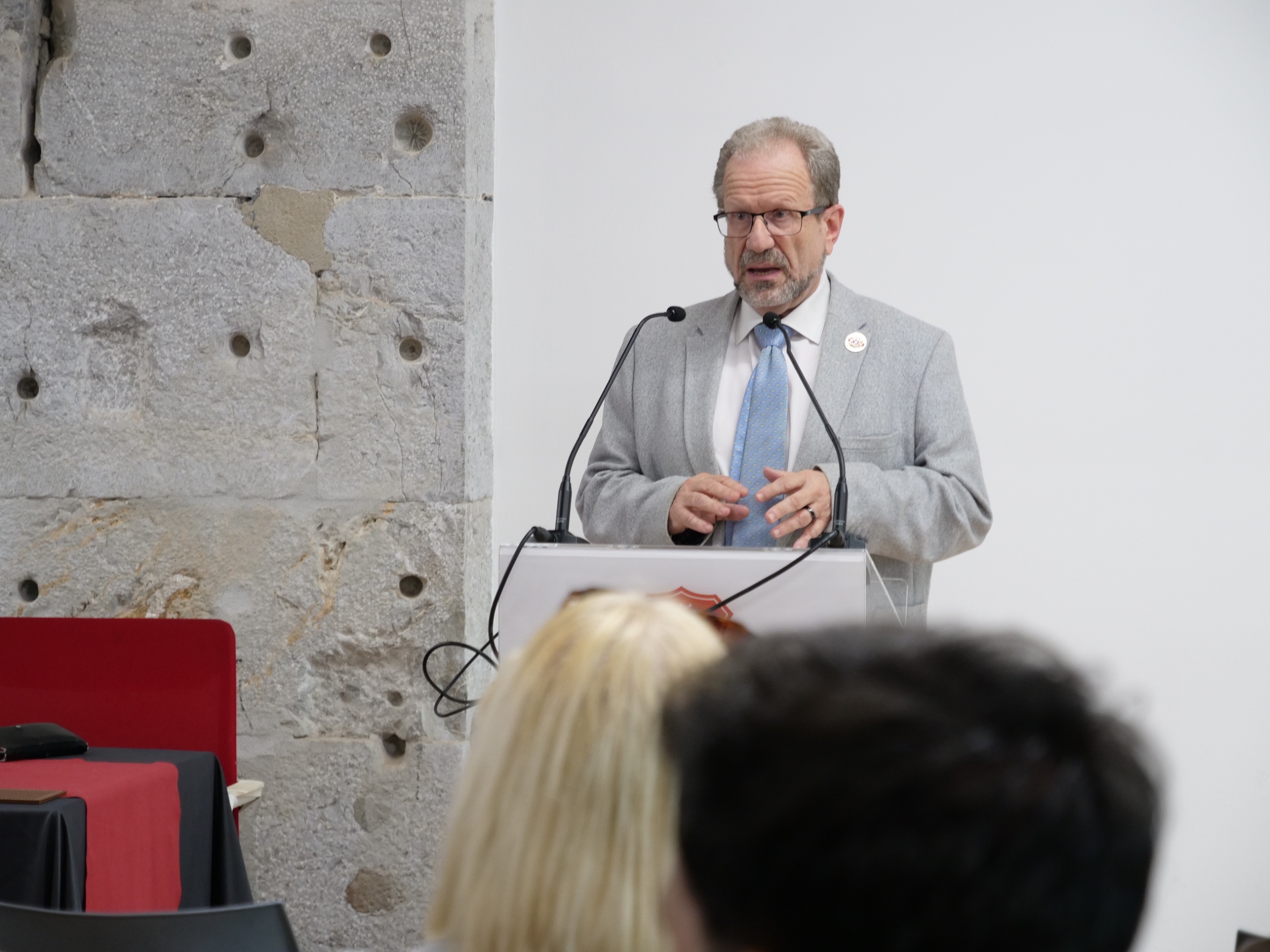
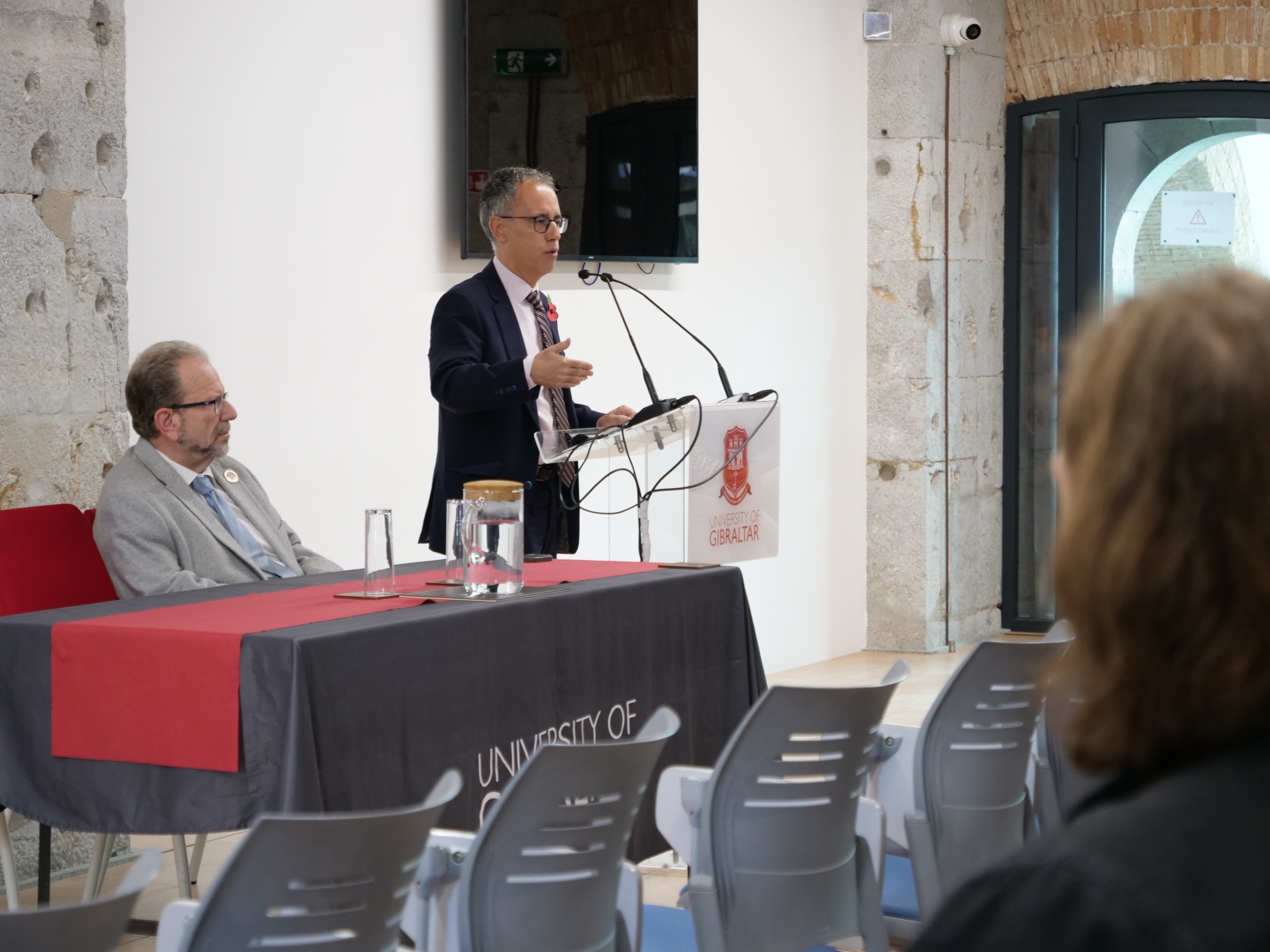
The day culminated at the University of Gibraltar. After lunch, the students attended a joint lecture given by Deputy Chief Minister Dr Joseph Garcia and Professor John Cortes, Minister for the Environment.
Dr Garcia, a historian by training, traced an overview of the territory's political, social and economic evolution, defining Llanito identity as “complex and multicultural”. During his intervention, he analysed the historical difficulties experienced both vis-a-vis the United Kingdom and with Spain, which allowed the students to understand the particularities of the Gibraltarian institutions and their extensive degree of self-government.
He recalled the attempt to negotiate joint sovereignty driven forward by the governments of Blair and Aznar, completely halted after the 2002 referendum, in which Gibraltarians rejected the proposal overwhelmingly. Likewise, Dr Garcia underlined that, although external representation and defence correspond to the United Kingdom, the decisions that the United Kingdom takes in relation to Gibraltar respect the wishes of its people. As an example, he highlighted that Gibraltar had been present at all the meetings at all levels for the negotiation of the Treaty between the United Kingdom and the European Union, defending its own position.
Environmental commitment and educational investment
Minister Cortes, a biologist, set out the different environmental programmes managed by his ministry. He addressed the reasons for the delay in the construction of the sewage treatment plant, which is already underway. Furthermore, he highlighted the endemic species that inhabit the Rock exclusively.
Professor Cortes also emphasised education as a government priority. He pointed out that significant investments have been made in all the schools in Gibraltar, and that the Government maintains the programme of scholarships for studying abroad, which are granted automatically to students when they obtain their place.
The meeting ended with an extensive question and answer session, where students were interested, among other things, in promoting youth political participation. Both ministers explained the functioning of the local Youth Parliament and the participation of Gibraltarian delegations in the British or Commonwealth Youth Parliaments.
The event ended with some reflections on the Treaty. On the one hand, Dr Garcia stressed that it is important to “know the other side”, and that this was fostered at the negotiating table. For his part, Professor Cortes stated: “what has been achieved with the Treaty is an example for a world that is heading in another direction”.
Professor Serrano Montes highlighted the following about this programme of visits: “Gibraltar is a territory of enormous academic and educational interest for students on our University’s Master’s in European Studies and the undergraduate degrees in Geography and Land Management and in Environmental Sciences. It is an exceptional setting for the analysis and understanding of territorial dynamics and international relations, which takes on a new dimension in the context of relations between the European Union and the United Kingdom following Brexit.
"Added to this interest are Gibraltar’s territorial and environmental characteristics: its small size, the challenges posed by its environmental management, and the development of pioneering conservation programmes. All of this also makes it a location of particular interest for the study of sustainability, natural resource management and environmental conservation policies.
"For these reasons, the visit is an educational activity of great value, as it allows students to gain first-hand insight into a unique territorial, political and environmental context, and to compare the knowledge acquired in the classroom with the reality on the ground”.